Empowering Lives: Navigating Cancer Care Through Education, Support, and Wellness
Imagine standing at the crossroads of unknowns, where fear intertwines with hope, and you’re presented with a cancer diagnosis. In that crucial moment, knowledge becomes your guiding light, illuminating the path forward. Navigating this daunting journey can feel overwhelming, but with the right education and unwavering community support, the complex world of oncology can transform from a place of despair into a tapestry of resilience and strength. The profound impact of cancer education, along with the warmth of community support, is what can empower both patients and their families against malignant diseases.
What if I told you that armed with the right knowledge, you could significantly enhance your survivorship? Understanding key aspects of cancer care can allow patients to make informed choices about their treatment options, such as chemotherapy, radiation therapy, or exciting new horizons like immunotherapy and clinical trials. Did you know that statistics indicate that almost 40% of individuals will be diagnosed with cancer in their lifetime? This startling figure highlights the importance of patient advocacy and utilizing available patient resources to navigate through cancer treatments and personalize care effectively.
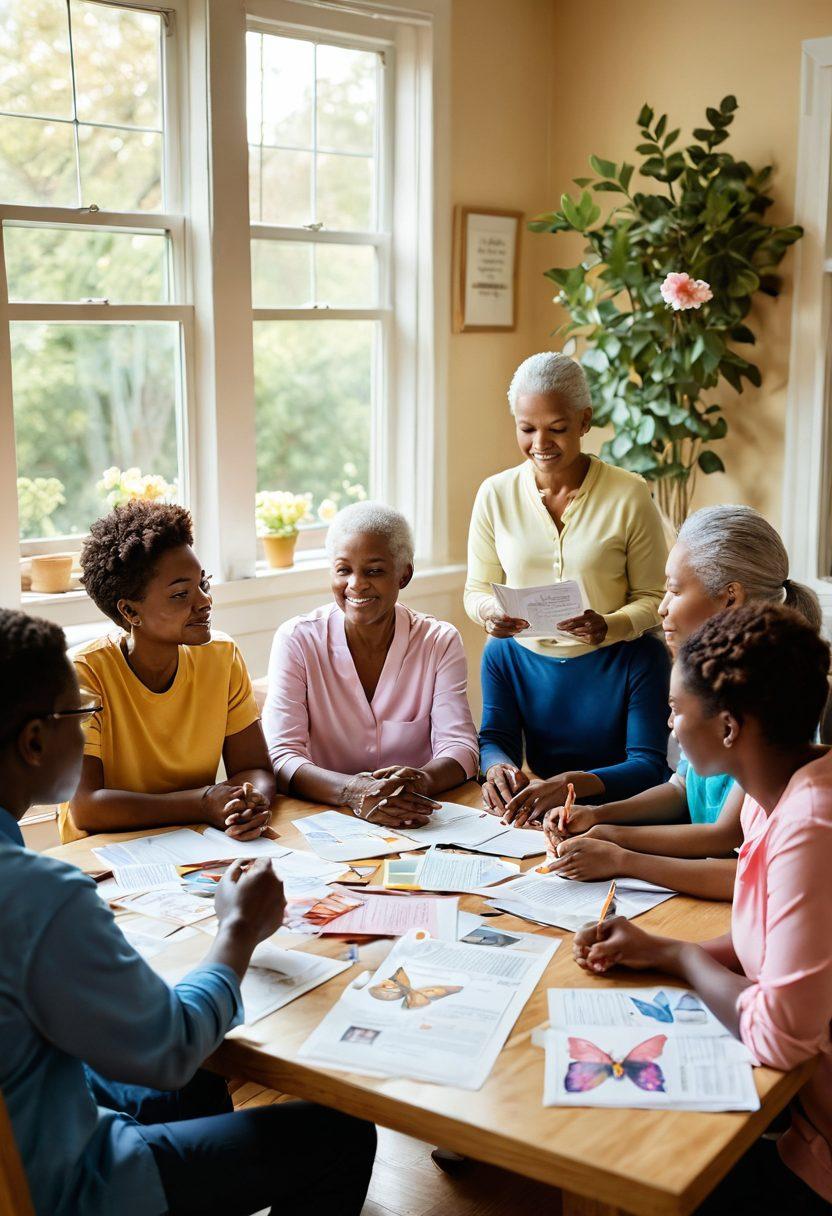
One key aspect of this journey is the transformative role of support groups. Have you ever found solace in sharing personal stories with others who truly understand your struggles? These groups act as beacons of hope, fostering a sense of belonging that is vital when facing challenges posed by cancer care. Connecting with others who have walked the same path can be incredibly powerful, as you gain insights into lifestyle changes, nutrition for cancer patients, and holistic therapies that can soothe the mind and body. Remember, no one is alone in this fight; wrapping ourselves in community support can be the push we need in our darkest moments.
Beyond the harsh realities of cancer treatment lies the promise of palliative care and wellness strategies designed to improve quality of life. Implementing health tips that focus on a balanced approach—integrating physical, emotional, and spiritual wellness—can lead patients and their families toward recovery. Why not consider a few small lifestyle changes that can yield significant results? Simple adjustments like mindful eating, engaging in physical activity suited to one’s abilities, or practicing relaxation techniques can lead to enhanced well-being.
As we unravel myths about cancer, we open the door to a world where hope thrives. The journey through cancer is not solely about battling a tumor; it is about embracing personal stories of hope and recovery. By engaging in fundraising for cancer research and championing efforts that promote education on cancer care, we cultivate a brighter future. Remember, each act of support—be it volunteering, sharing cancer education, or simply offering a listening ear—contributes to a larger narrative of resilience, healing, and empowerment, turning what could be an isolating experience into one marked by unity and strength.
From Diagnosis to Recovery: Your Guide to Wellness and Advocacy in Oncology
Receiving a cancer diagnosis is often overwhelming, sending shockwaves through not just our bodies, but also our lives and those of our loved ones. The term 'malignant disease' sounds daunting, but understanding the journey from diagnosis to recovery can illuminate a path forward. Navigating the world of oncology—characterized by complex treatments like chemotherapy, radiation therapy, and immunotherapy—doesn't have to be a lonely battle. With the right support, education, and a proactive approach to wellness, individuals can turn their cancer journey into a story of hope and recovery.
One of the greatest tools in your cancer care arsenal is education. Knowledge is power when it comes to understanding your condition, treatment options, and the various cancer statistics that may influence your understanding of prognosis and survivorship. Have you ever noticed how much easier it is to face challenges when you have the facts at your fingertips? This principle is especially true for patients navigating the intricacies of their care. Engaging with reliable cancer education resources can help demystify terminologies like neoplasm, tumor, and palliative care—enabling you to have informed discussions with your oncologist and develop a tailored wellness plan.
Support groups emerge as a beacon of light in the often-turbulent waters of cancer care. They offer not only emotional support but also powerful personal stories that make you realize you're not alone in this journey. Have you considered joining such a community? Surrounding yourself with others who share similar experiences creates a safe space for sharing fears, triumphs, and health tips about managing side effects of treatments. These groups can even be a launching pad for patient advocacy, empowering you to be more assertive in discussions with healthcare providers and advocating for your needs.
Making lifestyle changes can significantly impact your cancer journey. Nutrition for cancer patients is paramount—not only for bolstering the body during treatments like chemotherapy and radiation therapy but also for improving overall wellness. What if the foods you choose can influence the course of your recovery? Embracing holistic therapies alongside conventional treatments can offer a sense of control. Exploring options such as yoga, mindfulness, or nutritional counseling might transform not only your body but also your spirit during this challenging time. As we’ve seen from numerous personal narratives, community support plays an equally crucial role in recovery.
Finally, let’s dive into the importance of ongoing support and resources even after treatment ends. The transition from patient to survivor is a journey of its own and can often bring its own set of challenges. Staying connected with advocacy groups, exploring clinical trials, and fundraising for cancer research can help sustain a sense of purpose. By sharing your experience and knowledge, you contribute to a broader community dedicated to hope and recovery. Remember, you are not just a statistic; you are a unique story in the vast narrative of living with cancer. Each step you take, guided by education and support, brings you closer to empowerment and wellness.
Navigating the Journey: Holistic Approaches and Resources for Cancer Patients
Navigating the journey of cancer care can feel like an overwhelming mountain to climb, but you’re not alone. Every year, thousands receive a cancer diagnosis ranging from benign tumors to malignant disease, and the path to wellness often feels foggy and uncertain. Cancer education plays a crucial role in empowering patients to make informed decisions about their healthcare. As survivors often say, 'Knowledge is power,' and when it comes to battling cancer, that knowledge can sometimes mean the difference between hope and despair.
Imagine stepping into a world where medical jargon is simplified, and healthcare is approached through a lens of holistic wellness. It's essential to recognize that your oncologist, while integral to your care, is just one piece of a much larger puzzle. From support groups that foster community to patient advocacy resources that help navigate hospital systems, the tools available for cancer patients are extensive. How can you transform these resources into a lifeline of support? The answer lies in the connections you create and the active role you take in your health journey.
The landscape of cancer care is constantly evolving, incorporating innovative treatments such as immunotherapy and personalized approaches through clinical trials. Yet, with these advancements comes the need for accurate cancer statistics and education to distinguish fact from myth. For instance, did you know that not all tumors are cancerous? Understanding the nuances of tumor types, including neoplasm terms, can reduce anxiety while empowering you to ask informed questions. Engaging in conversations with medical professionals can also position you as an active participant in your care alongside your oncologist.
Survivorship involves more than just battling a malignant disease – it’s about embracing a new chapter of life. Patients are encouraged to explore lifestyle changes that nurture both mind and body. Nutrition for cancer patients can be a game changer; some foods can help bolster your immune system while others may interfere with treatment. Simple health tips like incorporating holistic therapies, such as yoga or meditation, can make a profound difference in how one approaches this journey. After all, fostering wellness goes beyond physical health—it speaks to emotional and spiritual healing too.
Building a supportive community is invaluable in the fight against cancer. Fundraising for cancer research not only contributes to future breakthroughs, but it also creates camaraderie among patients and families. Sharing personal stories can inspire hope and recovery, reminding us of the resilience found within the human spirit. As you navigate your cancer care path, remember: roads might be rocky, yet the bonds forged through shared experiences illuminate the way forward. How will you turn your journey into a source of strength for others?